
Brampton has one of the busiest rental markets in Ontario, from basement apartments and rented townhouses to condo units owned by investors. Every time a tenant moves out, a landlord faces the same question: do I need to change the locks? For almost every landlord, the answer is yes, or at least rekey. Here is how changing locks between tenants works in practice.
This article is general information, not legal advice. For specific situations, consult the Landlord and Tenant Board or a legal professional.
Why rekeying between tenancies matters
You cannot know how many copies of a key a tenant made, or who they gave them to: roommates, partners, dog walkers, friends. If a former tenant or someone with their key enters the unit after a new tenant moves in, the consequences for the new tenant’s safety, and for you as the landlord, can be serious. Rekeying makes every old key useless for a modest cost.
What the rules generally say
- During a tenancy, a landlord generally may not change or rekey the locks of a unit without giving the tenant replacement keys.
- A tenant generally may not change the locks without the landlord’s consent.
- Changing locks to force a tenant out is not a legal way to end a tenancy. Evictions go through the Landlord and Tenant Board and are enforced by the Sheriff.
- Between tenancies, once the previous tenant has moved out and returned possession, rekeying is normal good practice.
For eviction day specifically, see Eviction Locksmith Brampton.
Rekey or replace?
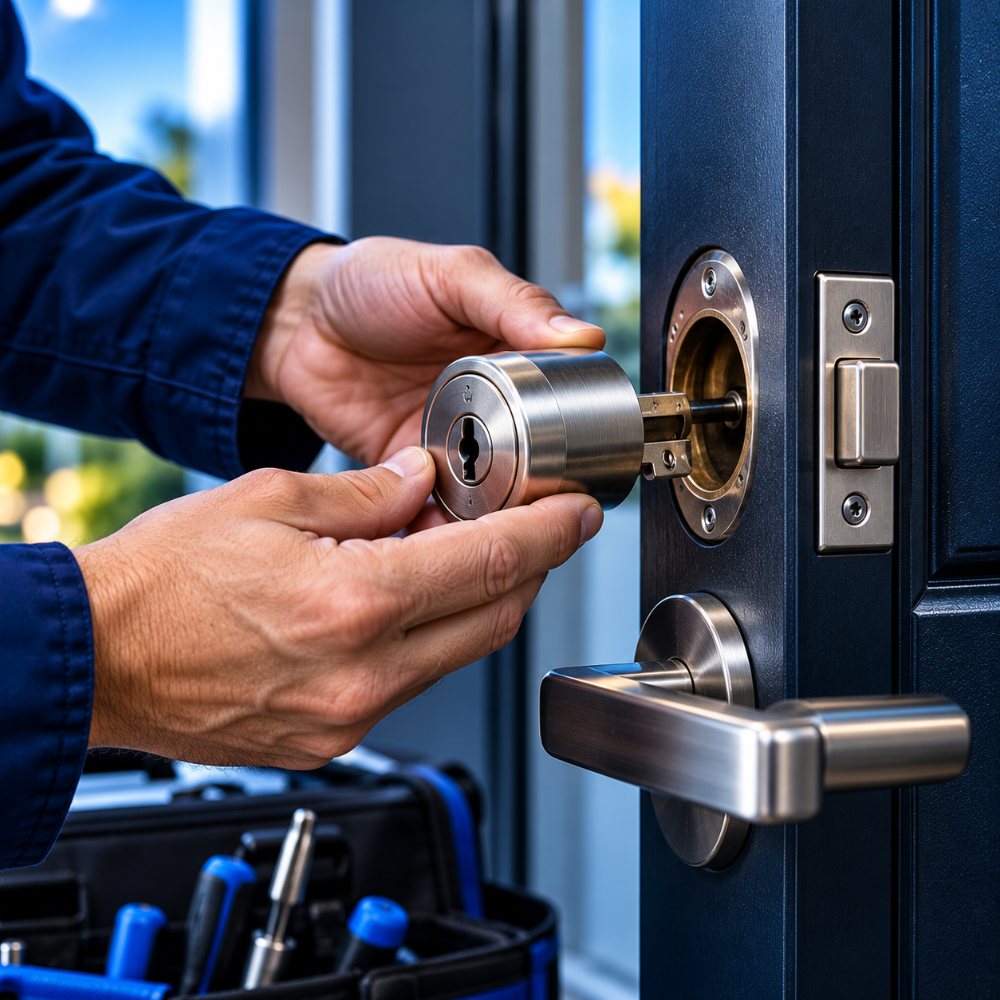
If the locks are in good working order, rekeying is faster and cheaper. Replace locks that are damaged, worn or low quality, or that do not match the rest of your key system. Details are on our Rekey Locks Brampton page.
Turning over a rental unit?
We rekey units between tenants across Brampton, often the same day. Call 647-330-7919.
Basement apartments and second units
If your house has a legal second unit, each unit should have its own secure, keyed entrance:
- A proper deadbolt on the basement or side entrance, not just a knob lock
- Separate keys for each unit, so one tenant cannot enter the other’s space
- Appropriate locking on any interior door between units, while keeping safe exit paths
- A rekey of the relevant entrance whenever that unit’s tenant changes
Use a simple master key system
If you own several units or a multi-unit building, a master key system saves time and money. Each tenant’s key opens only their unit; your master key opens every unit you are allowed to access. When a tenant leaves, you rekey one cylinder, not the building. Learn more in our master key system guide.
Landlord turnover checklist
- Collect all keys, fobs and garage remotes from the outgoing tenant.
- Inspect every lock and door for damage.
- Rekey or replace unit entrance locks.
- Reset keypad or smart lock codes and remove old users.
- Reset garage door opener codes where the tenant had access.
- Check window and patio door locks.
- Record new keys issued in a key log.
- Keep invoices for your records.
Smart locks for rentals
Keypad or smart locks can simplify turnovers: delete the previous tenant’s code and issue a new one. Remember that tenancy rules about access still apply, and a key cylinder backup should also be rekeyed. See Smart Lock Installation Brampton.
Frequently asked questions
Do landlords have to change locks between tenants in Ontario?
It is strongly recommended good practice. Rekeying between tenancies protects the incoming tenant and the landlord.
Can a landlord change locks during a tenancy?
Generally not without giving the tenant replacement keys. This is general information, not legal advice.
Is rekeying enough for a rental?
If the locks are in good condition, yes. Replace worn or damaged locks.
How do I manage keys for several units?
A master key system lets each tenant access only their unit while you keep one key for all.